
Upgrade Your Pathways With Premium Decorative Stone
Welcome to the season of outdoor transformations. Whether you are walking from your driveway to your front door, strolling through an elaborate backyard garden, or navigating a sprawling commercial outdoor space, pathways serve as the vital veins of any landscape design. They expertly guide foot traffic, protect your delicate lawn and garden beds from being trampled, and significantly boost the overall curb appeal of your property.
However, a pathway is only as good as the materials used to create it. Concrete, asphalt, and wood mulch certainly have their specific places in the world of landscaping, but if you are looking for exceptional texture, long-lasting natural beauty, and tangible environmental benefits, decorative stone is the ultimate choice. At Midwest Decorative Stone & Landscape Supply, we have seen firsthand how the right landscaping materials can take a mundane, easily overlooked walkway and turn it into a striking, elegant focal point. Upgrading your pathways is an investment in your property’s value and aesthetic charm. Let's dive deep into how you can successfully elevate your outdoor environment.
Choosing Stone Over Traditional Paving Materials
When planning a new walkway or patio project, a homeowner's immediate thought often jumps to poured concrete or traditional brick pavers. While these are certainly common and functional choices, they often lack the organic warmth, rustic charm, and physical flexibility of loose aggregates.
First and foremost, loose gravel and pebbles offer superior water drainage. Unlike solid, impermeable surfaces that cause rainwater to pool unpleasantly or run off quickly into your yard—often leading to soil erosion, localized flooding, or icy hazards in the winter—a stone pathway acts as a naturally permeable surface. Rainwater gently filters through the tiny gaps between the rocks and flows directly into the underlying soil, replenishing groundwater levels and preventing muddy puddles from forming.
Additionally, the durability and longevity factor cannot be overstated, especially in our climate. Poured concrete is notorious for cracking, heaving, and spalling during the harsh freeze-thaw cycles we regularly experience in the Midwest. When the moisture in the ground freezes and expands, rigid surfaces inevitably break. A pathway constructed of loose aggregates, however, simply moves, shifts, and settles with the natural movements of the earth. There is no cracking, no crumbling, and no expensive resurfacing required. Furthermore, the aesthetic versatility is practically unmatched, allowing you to confidently choose from a remarkably wide spectrum of colors and textures.
Understanding the Boom in Outdoor Upgrades
The intense desire to improve, optimize, and beautify outdoor spaces is by no means limited to suburban homeowners looking to spruce up their private backyards. There is a massive, highly visible shift happening in the world of commercial landscaping and municipal urban planning as well. Forward-thinking businesses and organizations are increasingly recognizing that appealing, well-maintained outdoor environments lead to happier employees, impressed clients, and extended stays from retail patrons.
According to 360 Market Updates, outdoor renovations drove a nearly 37% increase in decorative rock demand across commercial spaces like resorts, parks, offices, and hospitality projects.
This staggering and insightful statistic highlights a much broader, nationwide trend: people intrinsically value nature-inspired, meticulously designed outdoor areas that offer a brief respite from the indoor world. By thoughtfully incorporating decorative stone into your residential garden or commercial property pathways, you are not just laying down a functional walking surface; you are actively participating in a widespread movement toward elevated, sustainable, and highly aesthetically pleasing landscape architecture.
Selecting Top Options for Pathway Upgrades
It is important to remember that not all rocks are created equal, and selecting the right type, size, and shape for your specific pathway needs is a crucial step in the planning process. Here are some of the top contenders to consider for your next pathway project:
- Crushed Granite: If you want a highly functional pathway that packs down exceptionally well and stays relatively firm underfoot, crushed granite is an excellent, top-tier choice. Because the stones are mechanically crushed, their jagged edges lock and bind together tightly over time, providing a highly stable surface for walking or rolling a heavy wheelbarrow.
- River Rock: Widely known and loved for its incredibly smooth, naturally rounded edges, river rock has been patiently shaped by years of flowing water. It comes in various sizes and beautiful earthy tones. Because its rounded shape means it does not pack down tightly, it is usually best utilized in conjunction with large, flat stepping stones.
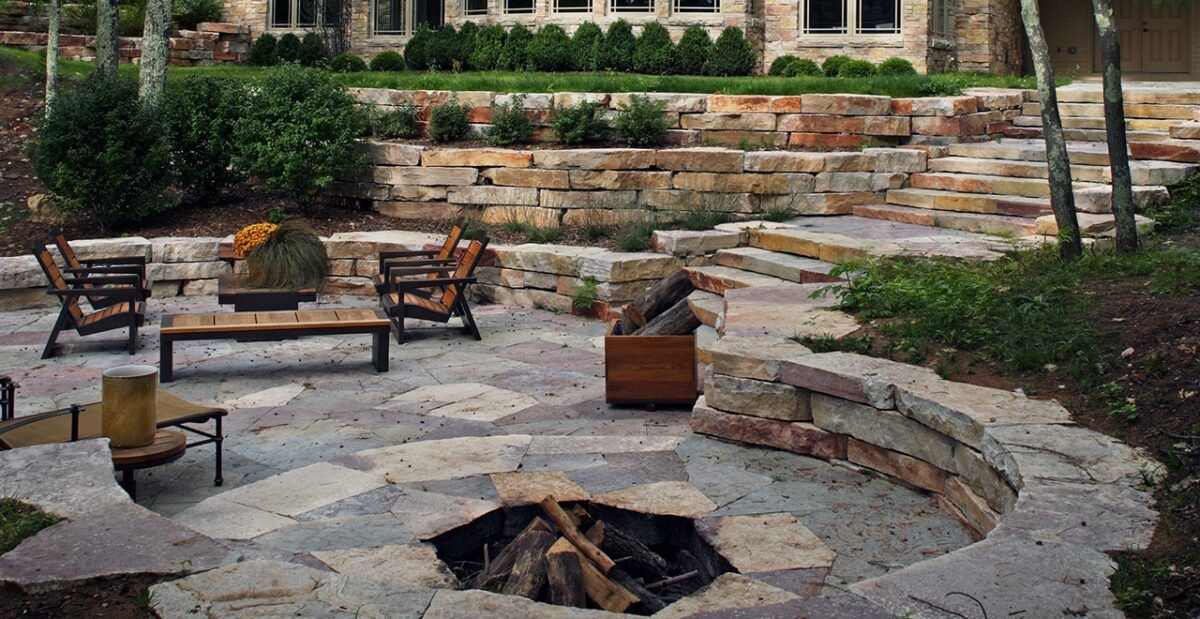
- Pea Gravel: Exactly as the name suggests, pea gravel consists of small, roughly pea-sized stones. It is surprisingly comfortable to walk on, crunches pleasantly underfoot to provide an auditory landscaping element, and is incredibly easy to install. It works wonderfully for meandering, romantic garden paths and cozy fire pit surrounds.
- Limestone: A classic, reliable staple in Midwest landscaping, crushed limestone is highly affordable, incredibly functional, and visually striking. The bright, clean, often off-white appearance of limestone can dramatically brighten up a heavily shaded pathway or a dark corner of your yard.
No matter which specific option you ultimately choose, utilizing premium decorative stone ensures that your custom pathway will easily stand the test of time while looking absolutely stunning throughout all four seasons.
Designing a Pathway That Complements Your Landscape
Designing a truly great pathway is about much more than just picking out a material from a catalog; it is about thoughtfully considering the physical flow, the geometric shape, and the overall harmony of your yard. The very first step is determining the pathway's primary purpose. Is it a highly functional, utilitarian path meant to lead visitors straight to the front door, or is it a whimsical, wandering trail meant to encourage a slow stroll through a blooming flower garden?
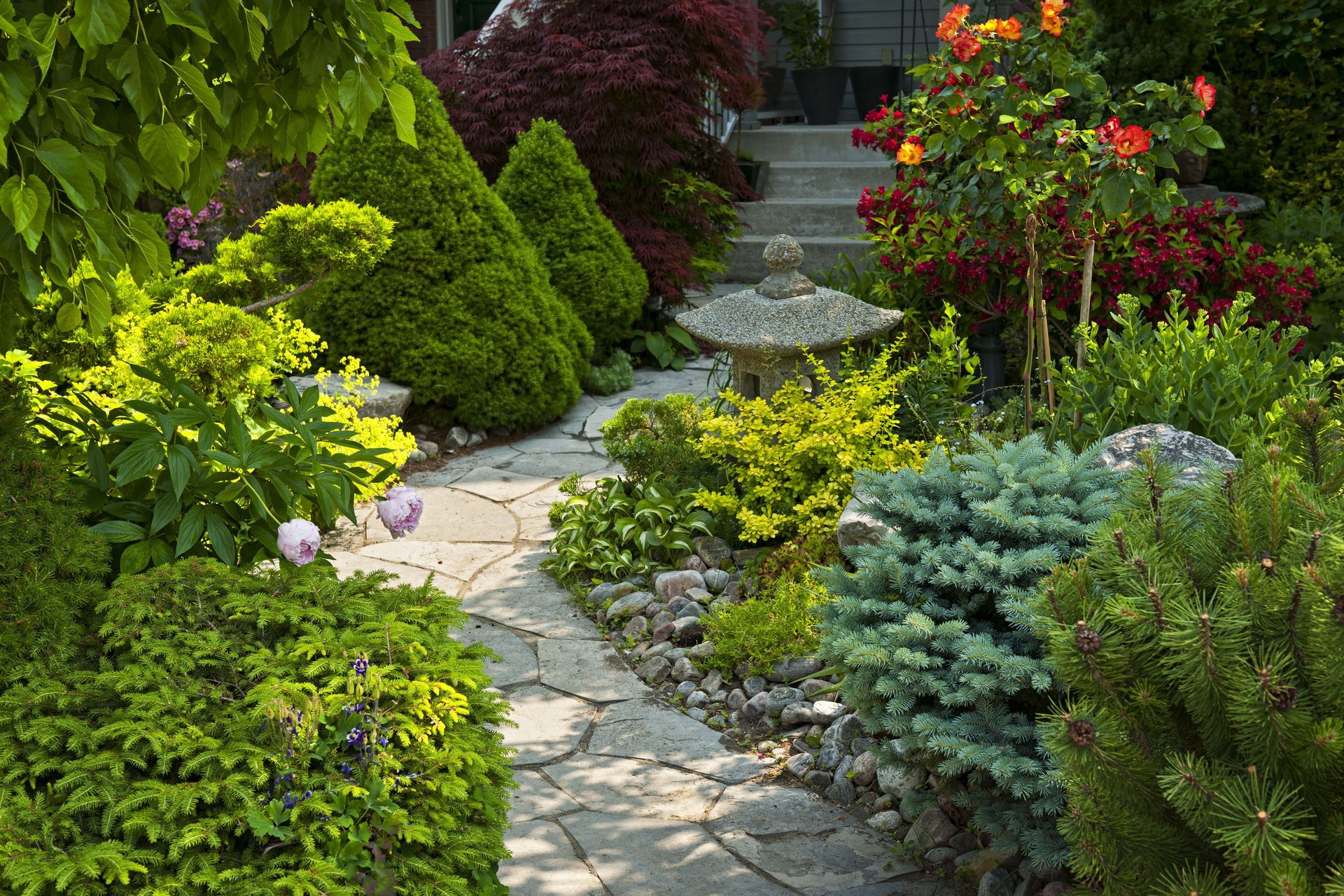
For formal, modern, or highly trafficked areas, straight lines, sharp angles, and geometric precision usually work best. In these scenarios, you might consider pairing crisp, dark-colored decorative stone with sleek, minimalist metal edging to keep the lines exceptionally clean and well-defined. On the other hand, if you are aiming for a relaxed, organic, or traditional cottage-garden feel, gently curved pathways are absolutely the way to go. Sweeping curves naturally trick the eye into thinking the space is larger than it is.
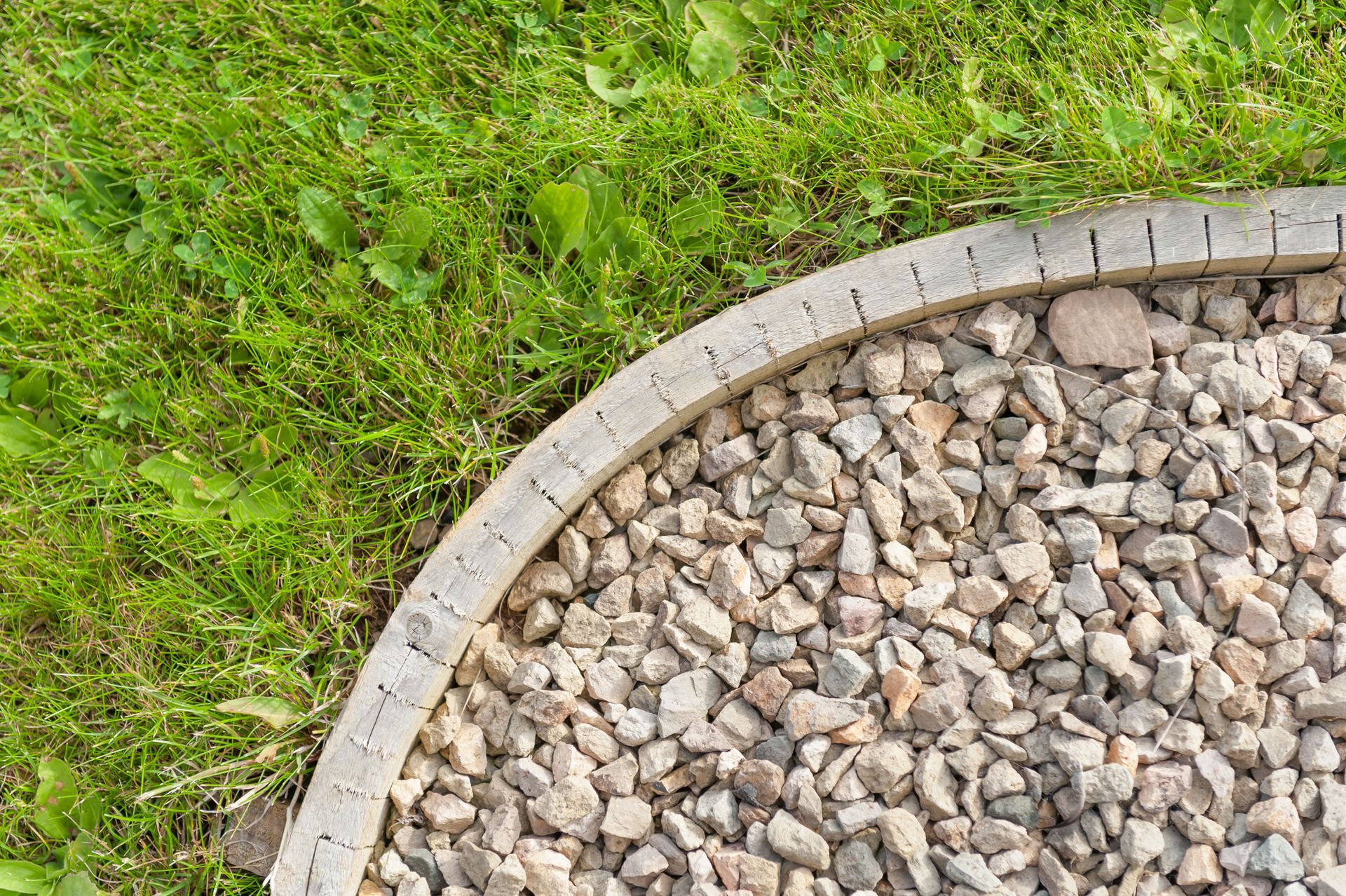
Proper, thorough installation is also the secret key to a successful design. Always begin by excavating the path area to a uniform depth. Once leveled, lay down a high-quality, commercial-grade woven weed barrier fabric to save yourself hours of back-breaking weeding in the future. Next, securely install a sturdy edging material to contain the aggregate and keep it from spilling into your grass. Finally, fill the excavated pathway with your chosen material, raking it smooth to create a level walking surface.
Maintaining Your Pathways for Long-Lasting Beauty
One of the most universally appealing aspects of using loose aggregates for your landscape pathways is the incredibly low level of maintenance required to keep it looking fresh, vibrant, and neat year after year. Unlike a grass pathway that needs constant mowing, or a stamped concrete sidewalk that requires regular power washing, a gravel or rock path is wonderfully forgiving and easy to care for.
To properly maintain your new pathway, you generally only need a standard landscape rake. Every few weeks, or perhaps immediately following a particularly heavy rainstorm, gently smooth out the stones. This simple action will seamlessly redistribute any material that has been kicked around by foot traffic and keep the walking surface perfectly level. Additionally, using a standard leaf blower on a very low idle setting is a highly effective way to clear stray autumn leaves without accidentally blowing your material into the surrounding grass.
Over time, expect that even the absolute best-laid pathways will eventually experience some minor settling due to changing weather conditions. As a best practice, plan to top up your path every two to three years by adding a thin, fresh layer of decorative stone. This inexpensive refresh will immediately restore the vibrant, original color of your initial installation.
Partnering With Midwest Decorative Stone & Landscape Supply
Transforming your outdoor space into a personal oasis does not have to be an overwhelming or stressful endeavor. When you make the exciting choice to upgrade your home’s walkways, you need a reliable partner who deeply understands the local climate, the specific soil conditions, and the current aesthetic design trends of the region.
Our local team is deeply dedicated to providing our community with top-tier materials and friendly, expert advice. Whether you are an ambitious homeowner tackling a weekend DIY landscape project or a professional commercial landscaper working on a large-scale corporate resort, we have the extensive inventory and robust delivery capabilities to make your unique vision a reality. Stop settling for cracked, uneven concrete and muddy, uninspiring backyard trails. Elevate your property’s curb appeal, drastically improve your yard's drainage, and fully embrace the organic beauty of nature. Contact us today to explore our vast selection and start planning the pathway your landscape truly deserves.














Share On: