
Patio Design Ideas to Transform Your Outdoor Living Space
Transforming a patio starts with deciding how you actually want to use the space. Some homeowners want a quiet place for morning coffee, while others need room for dining, entertaining, grilling, or spending time with family. The best patio designs combine those everyday needs with materials and layouts that feel connected to the home and surrounding landscape.
Outdoor living is already a major part of how many Americans use their homes. According to PR Newswire, 74% of Americans use their patios for relaxation, while 58% use outdoor living spaces for socializing with family and friends. Choosing the right layout, furniture, landscaping, and patio pavers can help turn a basic paved area into a space that supports both quiet downtime and gatherings.
Plan Around How You Will Use the Space
Before selecting materials, think about how people will move through the patio. A good layout should provide enough room to walk comfortably between doors, seating areas, grills, tables, and surrounding landscape features. Starting with circulation helps prevent the finished space from feeling crowded even when several people are using it.
It can also help to divide the patio into zones. A dining table can anchor one section, while lounge chairs or a small sofa create a separate conversation area. Planters, changes in paver patterns, low walls, or outdoor rugs can visually separate these areas without creating hard barriers.
Midwest Decorative Stone & Landscape Supply offers manufactured pavers in different sizes, profiles, finishes, and styles.
Choose Pavers That Complement the Home
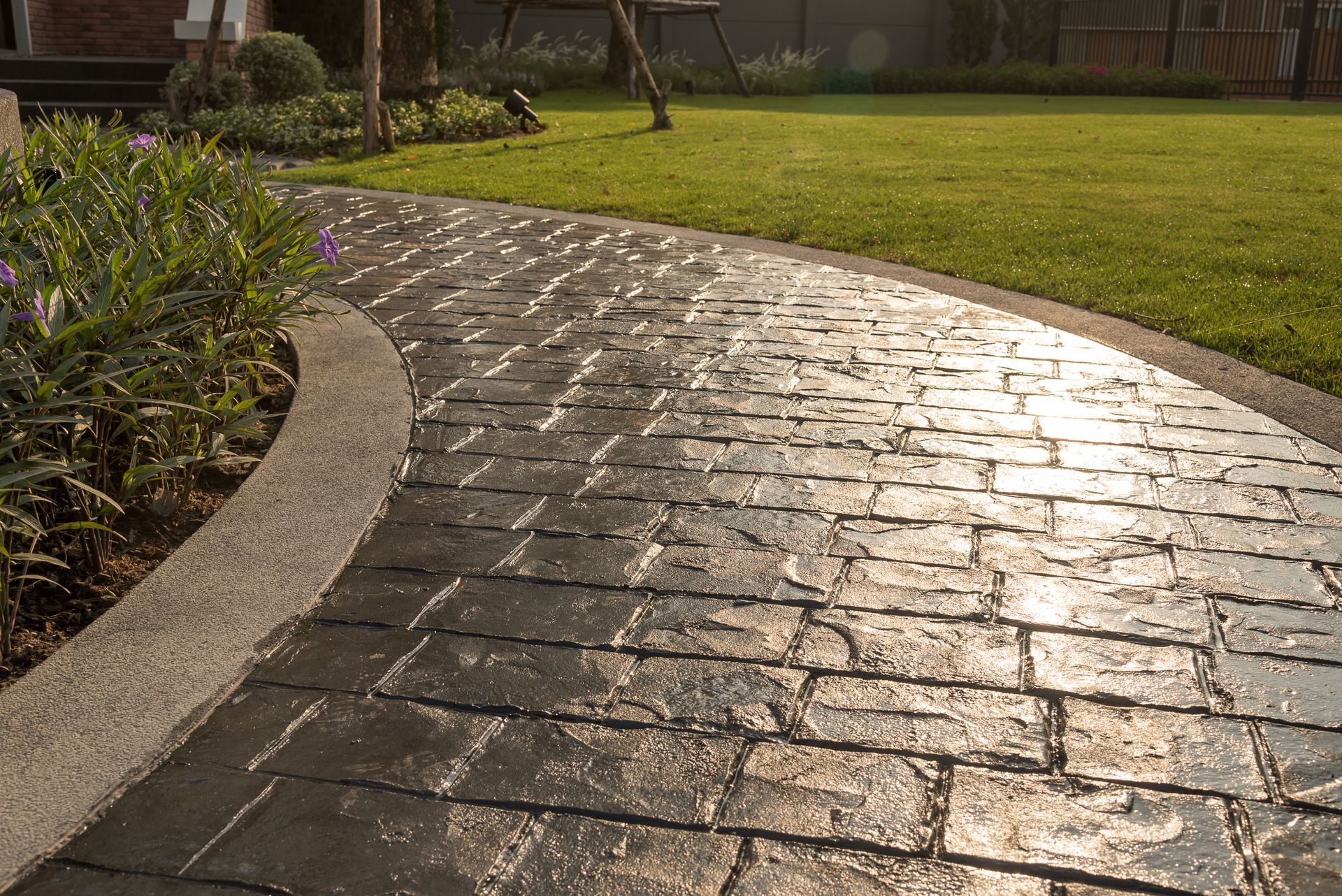
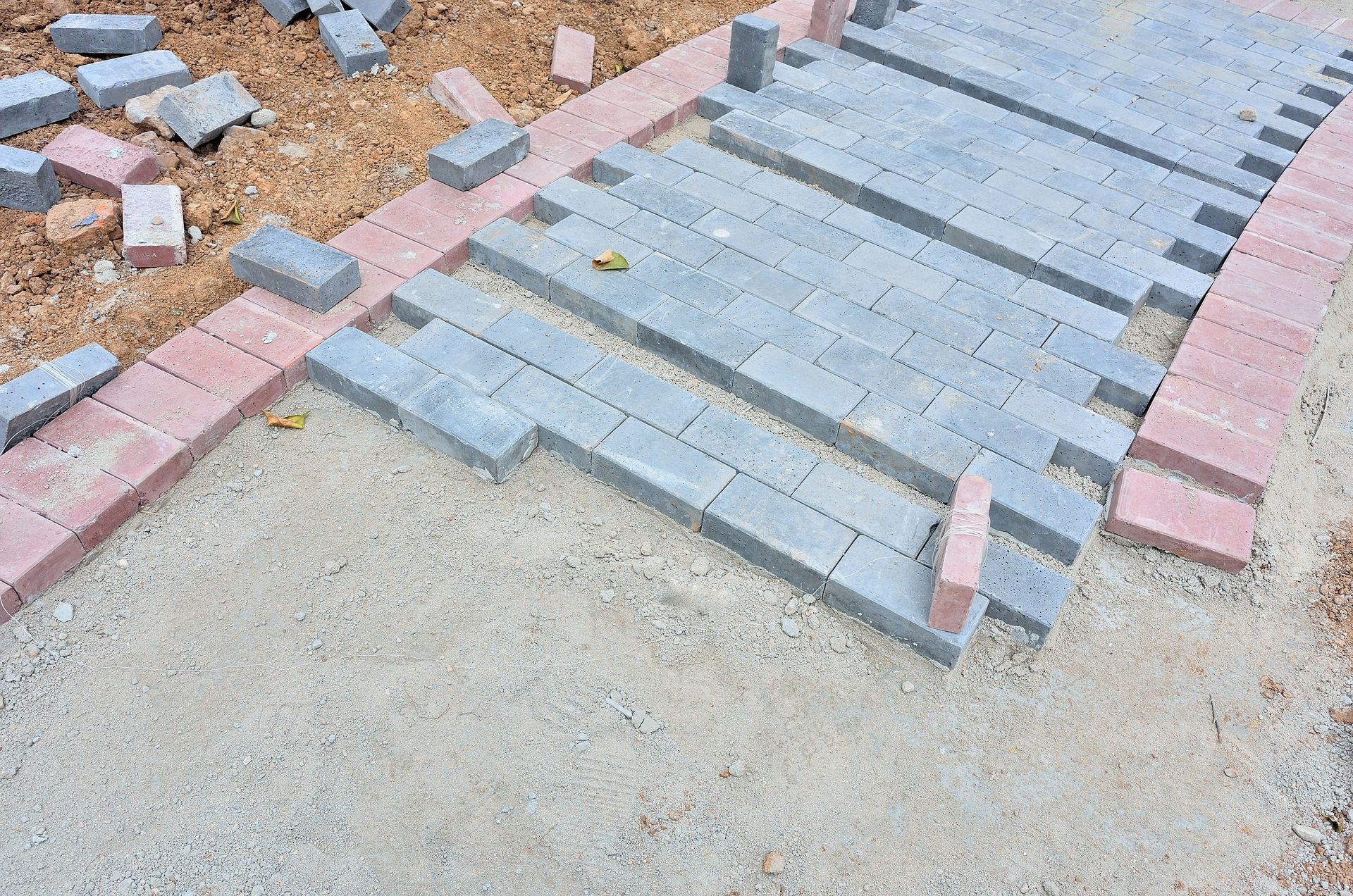
The material underfoot has a major influence on how a patio looks. Manufactured patio pavers can create a clean, structured surface while still offering a wide range of visual styles. Depending on the product, homeowners can choose shapes and textures that complement traditional, rustic, transitional, or contemporary homes.
Color also matters. Warm earth tones can blend with natural stone and garden beds, while grays and cooler tones can support a more modern look. Instead of choosing a paver in isolation, compare it with the home's siding, brick, trim, roofing, and other hardscape materials.
Midwest Decorative Stone & Landscape Supply carries products from manufacturers including Belgard, Rochester Concrete, and Techo-Bloc.
Use Patterns and Borders to Define Different Areas
Large patios do not have to function as one open expanse. Using paver patterns or borders can help define individual areas while keeping the overall surface connected. A subtle border around a dining space, for example, can create definition without requiring a wall or major elevation change.
Homeowners can also use different paver sizes to introduce visual rhythm. Larger slabs may create a streamlined appearance, while smaller units can support more detailed patterns.
When choosing patio pavers, think about how the pattern will look from inside the house as well as from the yard. Patios are often visible through kitchen, dining, or living room windows, so a coordinated design can make the outdoor area feel like a natural extension of the home.
Create a Focal Point for the Patio
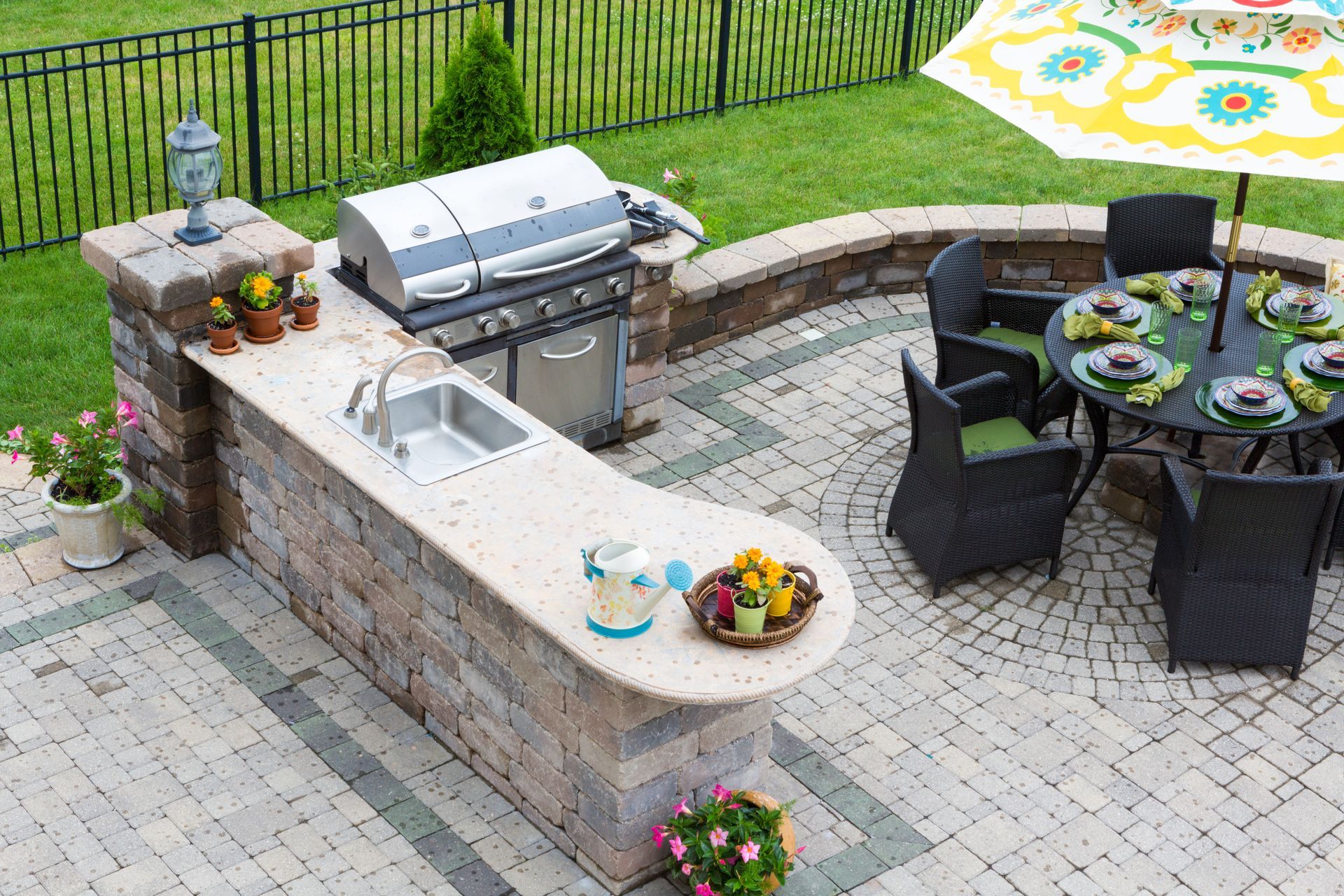
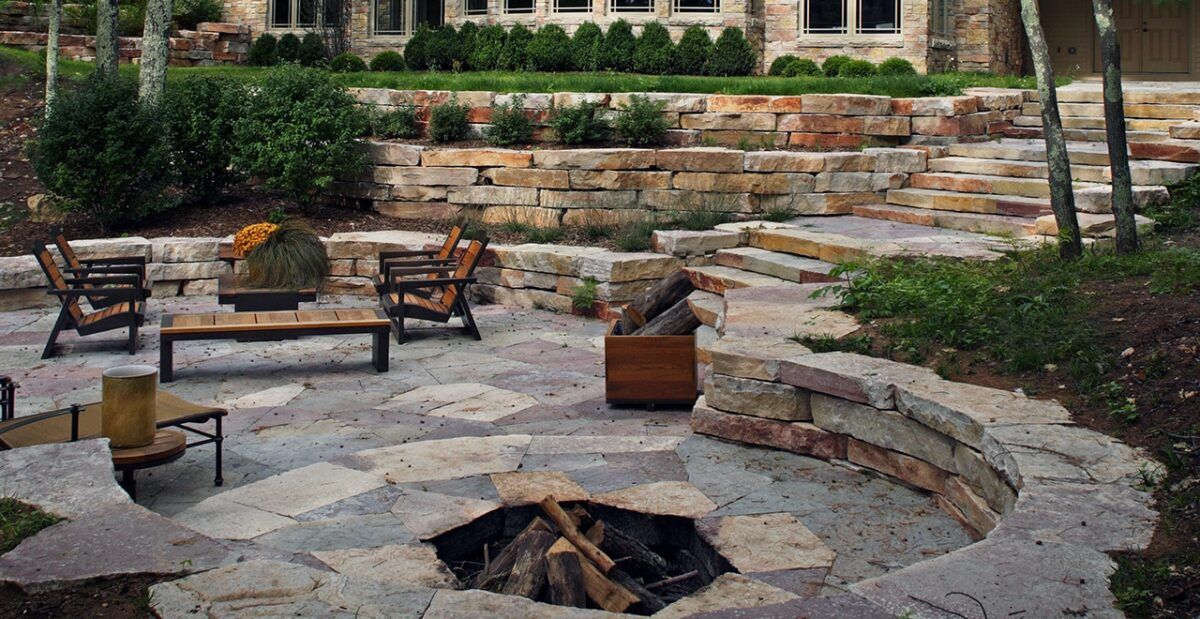
A patio becomes more inviting when it has a clear focal point. That might be a fire pit, dining table, outdoor kitchen, water feature, or comfortable seating arrangement. Once the focal point is established, other elements can be positioned around it instead of competing for attention.
Pavers can reinforce the focal point through layout. A change in pattern beneath a table, a contrasting border around a fire feature, or a pathway leading toward a seating area can subtly direct the eye and help visitors understand how the space is meant to be used.
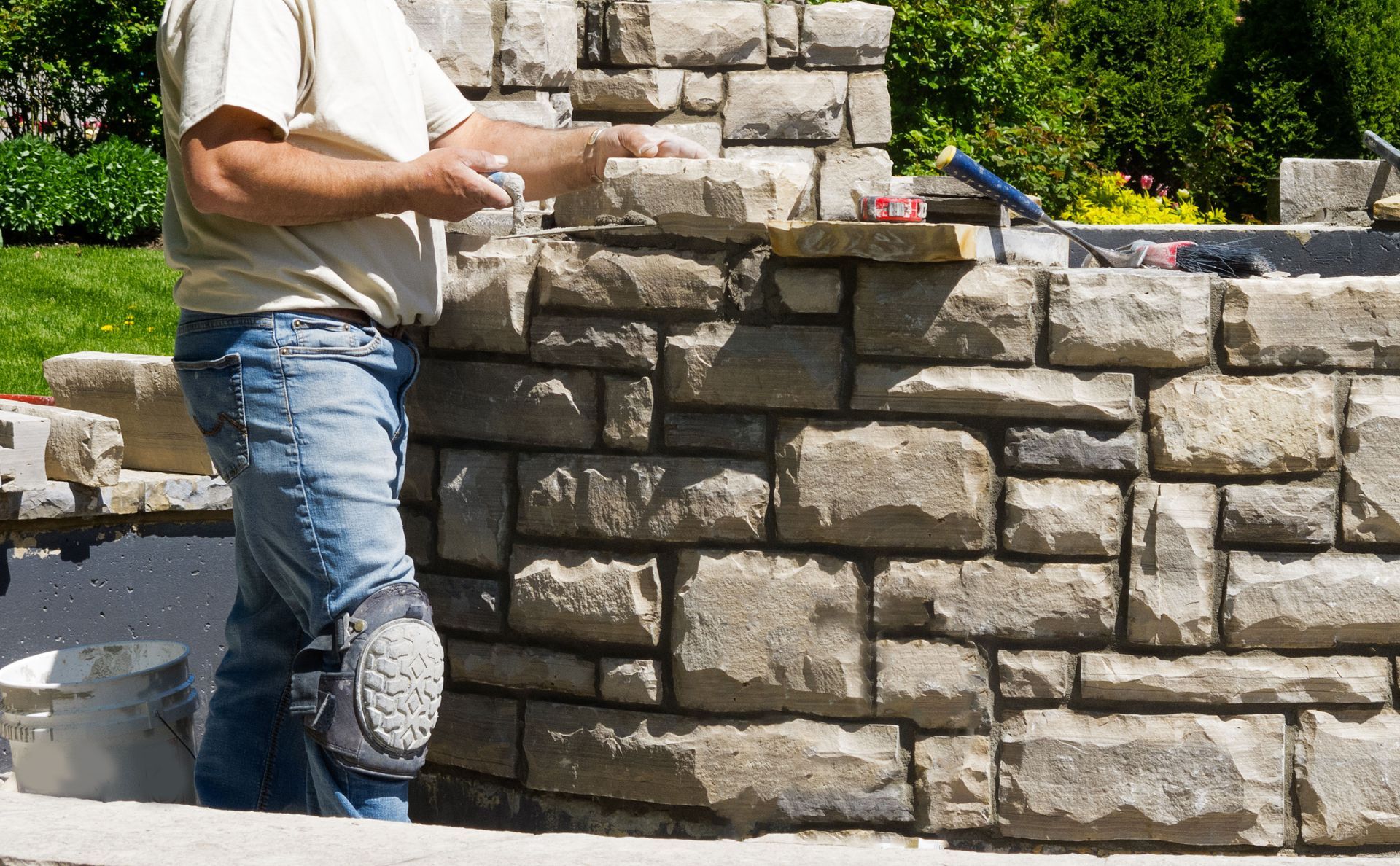
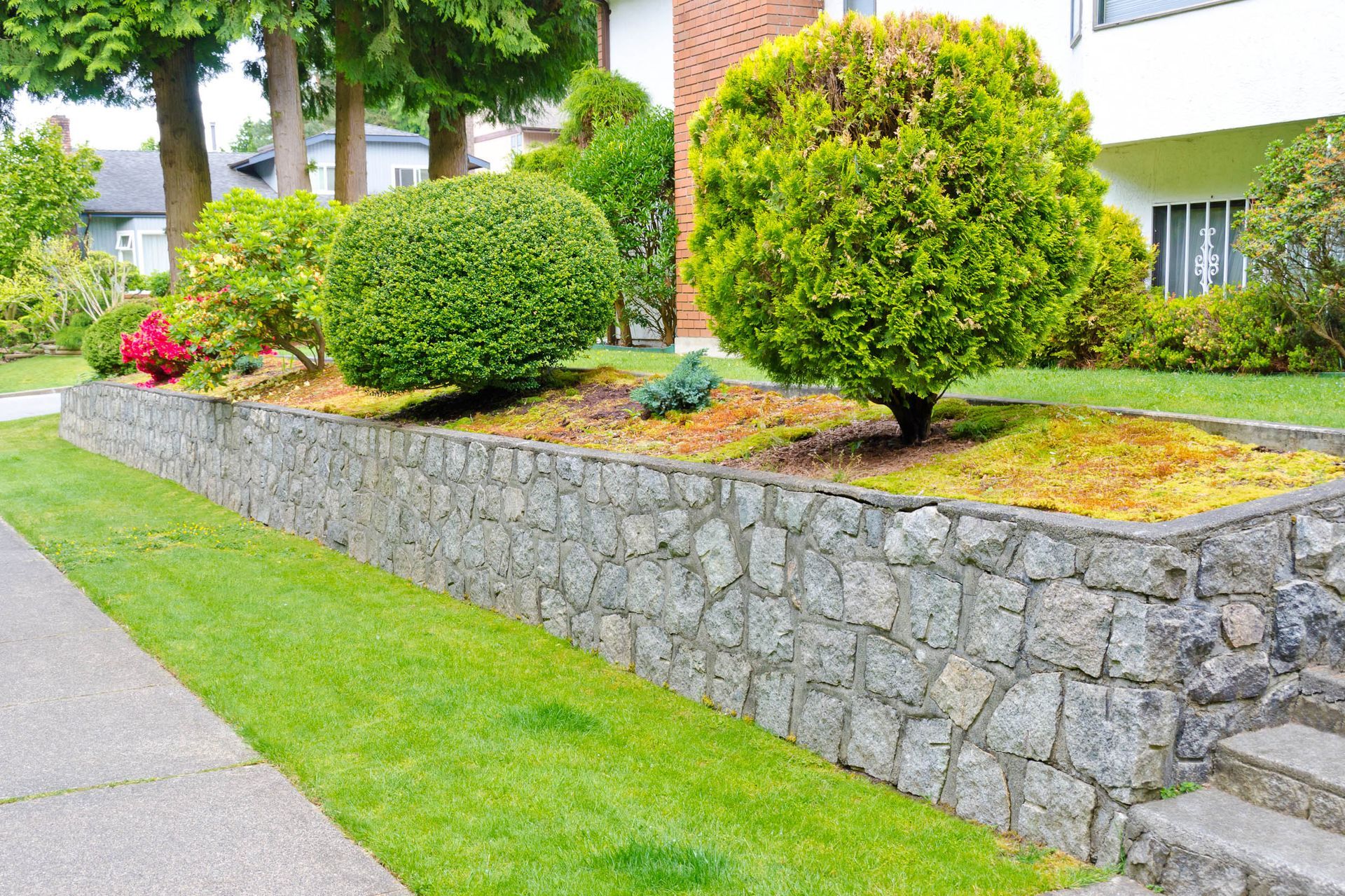
Midwest Decorative Stone & Landscape Supply also carries wall, coping, step, and retaining wall products from several manufacturers. These materials can coordinate with the patio surface when a design includes raised areas, steps, seat walls, or transitions between different parts of the landscape.
Blend the Patio Into the Surrounding Landscape
Plants soften hardscape and help a patio feel connected to the yard. Container plants are useful for patios because they can add seasonal color, define edges, and create privacy without requiring permanent construction. Larger planters can also help separate dining and lounging zones.
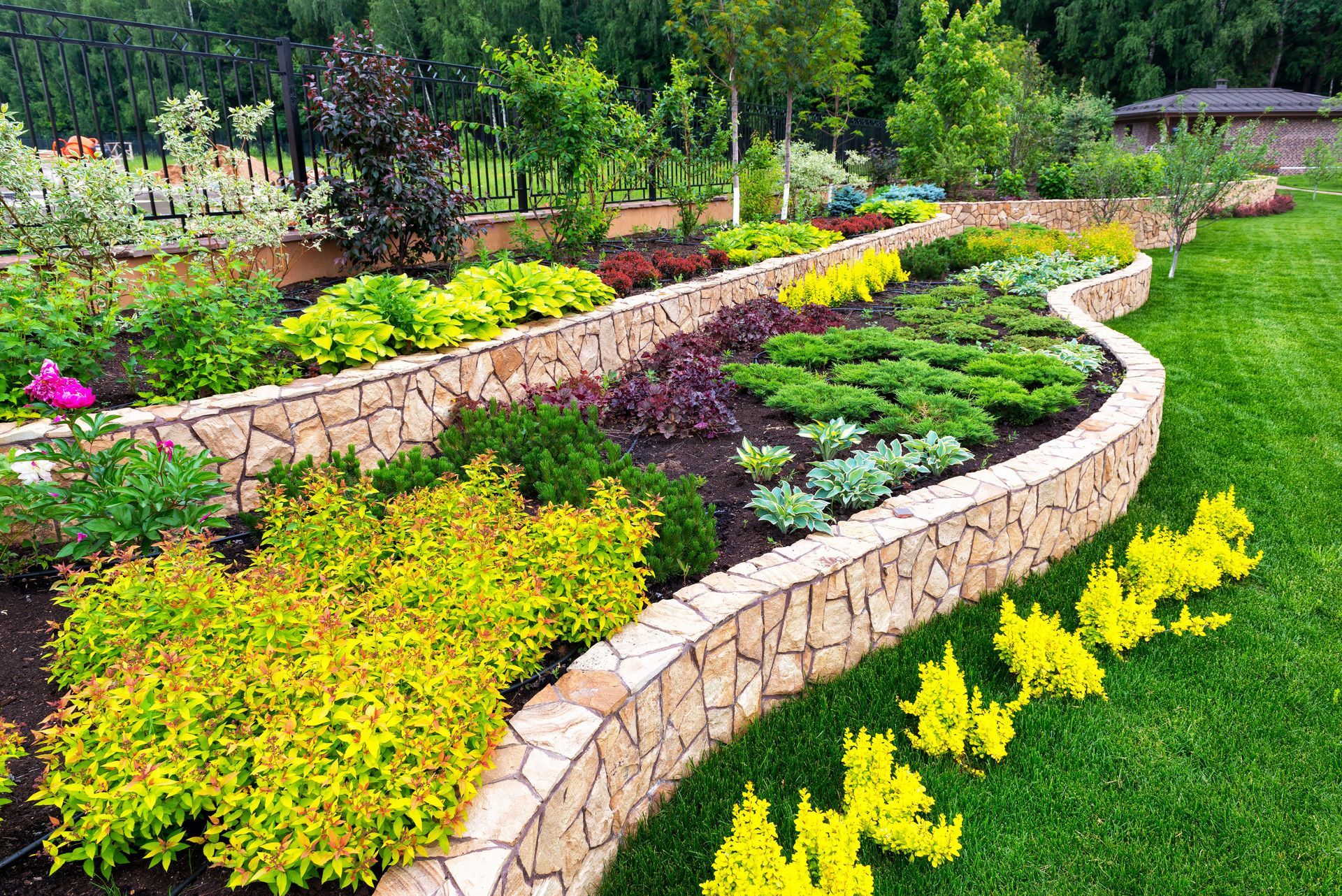
Existing gardens can become part of the patio design as well. Instead of treating the patio as a separate rectangle, consider how edges can relate to planting beds, lawn, trees, or pathways. Curved landscaping beside a geometric patio can create contrast, while straight planting lines can reinforce a modern design.
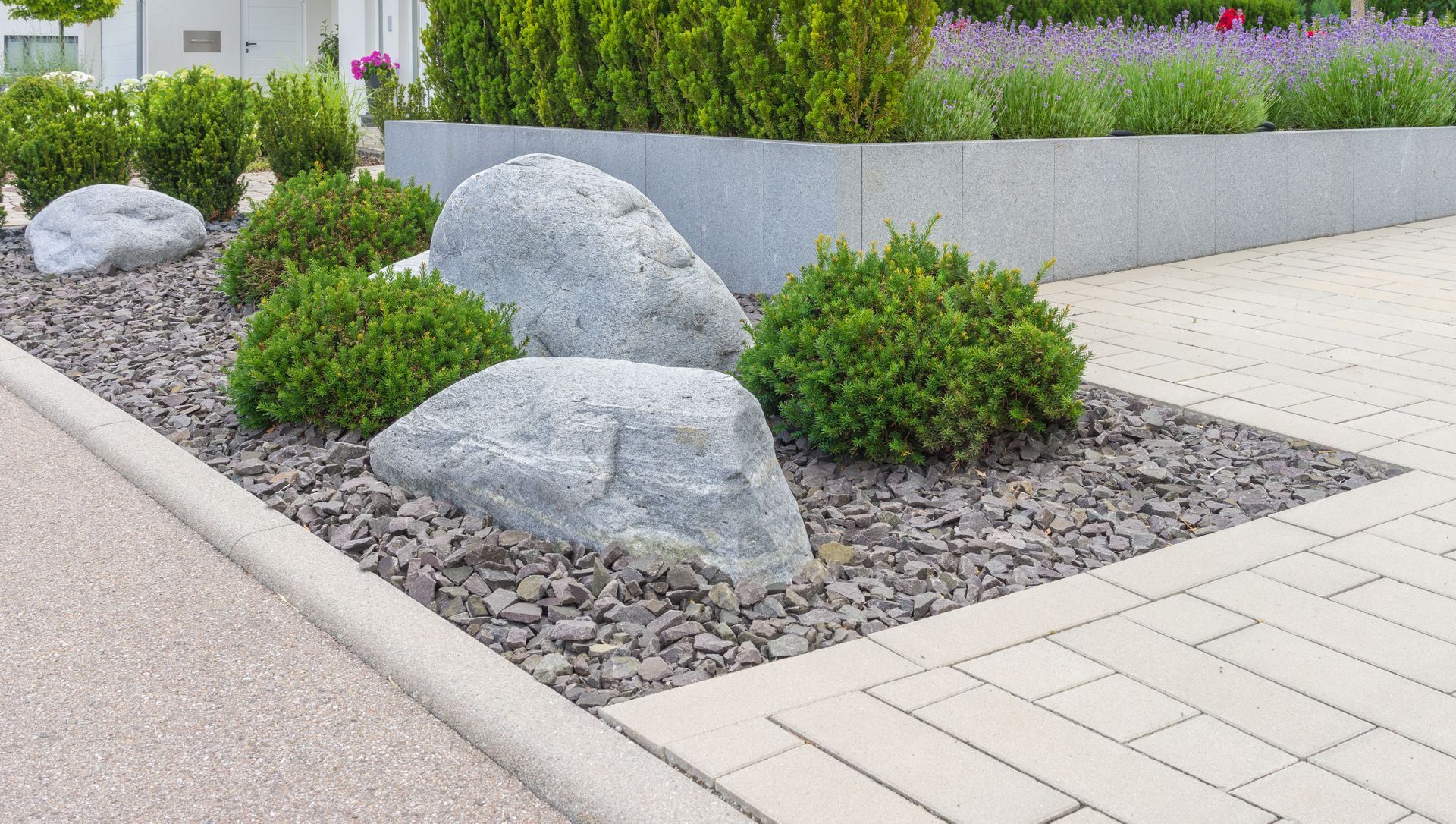
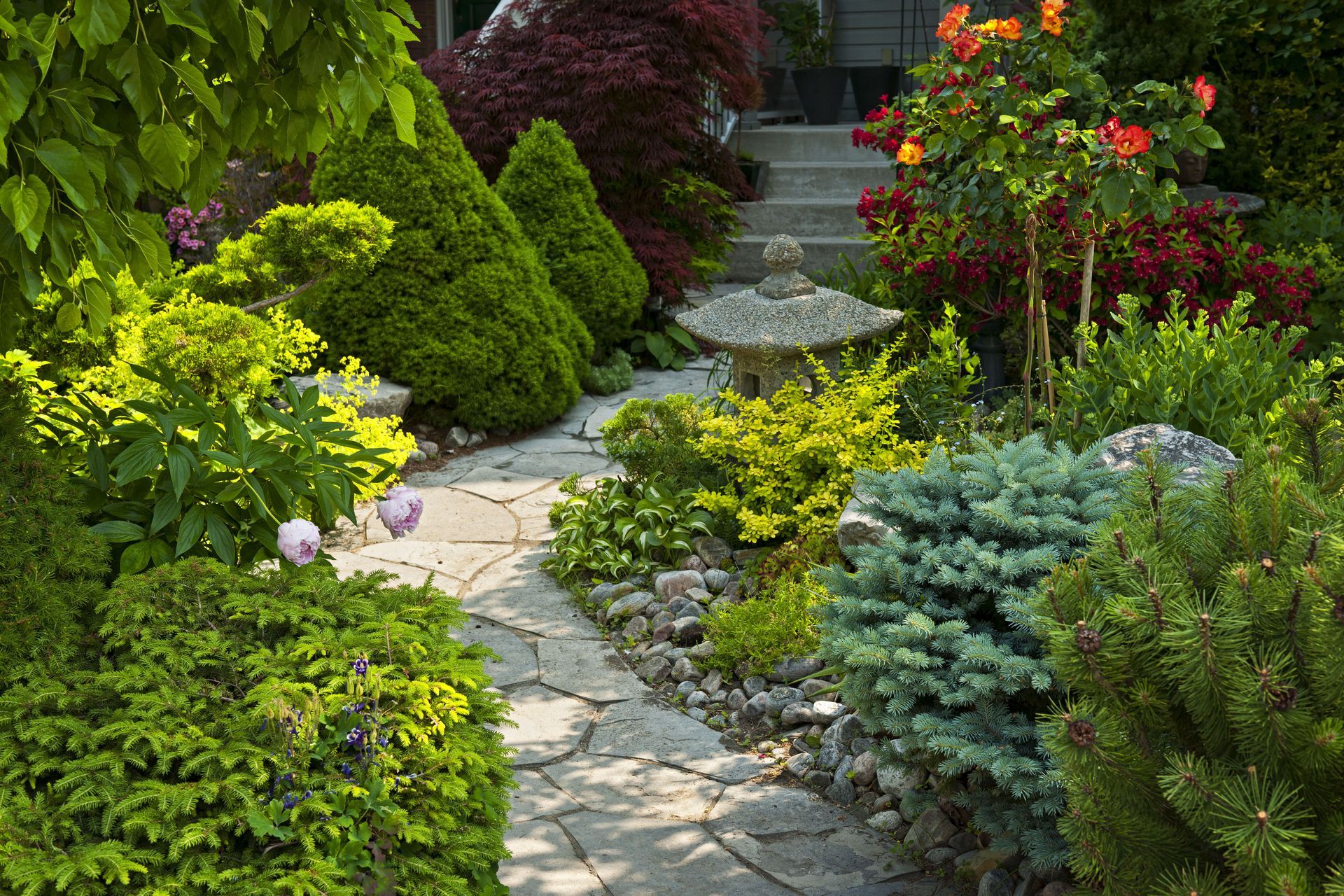
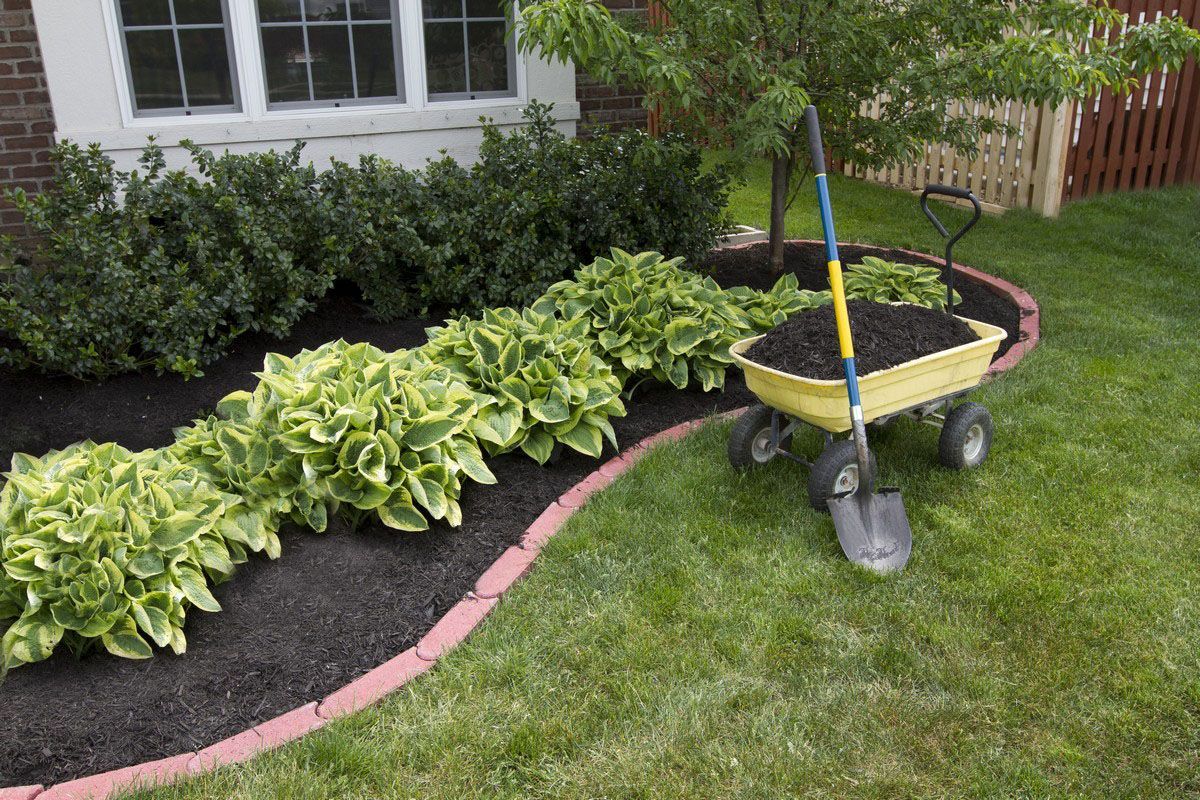
Decorative stone can provide another transition between patio pavers and planted areas. Midwest Decorative Stone & Landscape Supply carries decorative landscape stone, natural flagstone, mulch, sand, topsoil, and other materials that can help homeowners coordinate the surrounding landscape with the patio itself.
Plan for Shade, Lighting, and Weather
Shade can determine whether a patio feels comfortable. Before finalizing the layout, observe how sunlight moves across the yard. A dining or lounging area placed in intense afternoon sun may need an umbrella, pergola, shade sail, or nearby tree cover.
Lighting extends the usefulness of a patio after sunset. Consider lighting along steps and pathways for visibility, then add softer ambient lighting around seating and dining areas. The goal is usually to provide enough light to move comfortably without making the outdoor area feel overly bright.
Furniture placement should also account for weather. Leave enough room for chairs to move, consider where rainwater travels, and avoid positioning delicate pieces where runoff from roofs or gutters is likely to reach them.
Make the Most of Small and Large Patios
A smaller patio can still feel useful if every element has a purpose. Choose furniture scaled to the area rather than squeezing in oversized pieces. Built-in or compact seating, small dining sets, and vertical planters can preserve usable floor space.
Using one primary paving material throughout can also make a small patio feel more cohesive. Too many competing colors, patterns, and materials may visually divide an already limited area. A simple field of patio pavers with a restrained border can provide interest without making the design feel busy.
In larger spaces, the opposite strategy may work. Different patterns, furniture groupings, and landscape features can break the patio into comfortable zones so the space feels inviting rather than empty.
Design the Patio With Future Changes in Mind
Outdoor spaces can change as households change, so designing for flexibility is useful. A section used for a children's play table today might become a lounge area later. Movable furniture and a durable, open paved surface make those transitions easier than a highly specialized layout.
Think about future additions before installation as well. If a fire pit, outdoor kitchen, pergola, or retaining wall might be added later, accounting for that possibility during the initial design can make future work easier to integrate.
Midwest Decorative Stone & Landscape Supply serves homeowners, landscapers, contractors, and designers from its Fitchburg location in the West Madison area. The family-owned business has operated since 1991 and offers manufactured pavers along with a broad selection of landscape materials for outdoor projects.
Create an Outdoor Space That Fits Your Lifestyle
A successful patio does not need every available feature. It needs a clear purpose, comfortable proportions, and materials that work with the home and landscape. The PR Newswire findings show that patios commonly serve both relaxation and social connection, so designs that accommodate both can make outdoor space more useful.
For homeowners planning a new patio or updating an existing one, thoughtful zoning, landscaping, shade, lighting, and patio pavers can completely change how the area feels and functions. By choosing materials carefully and planning around real day-to-day use, a simple outdoor surface can become a flexible living space for relaxing, dining, and spending time together.















Share On: