
When Is the Best Time to Apply Mulch to Your Garden?
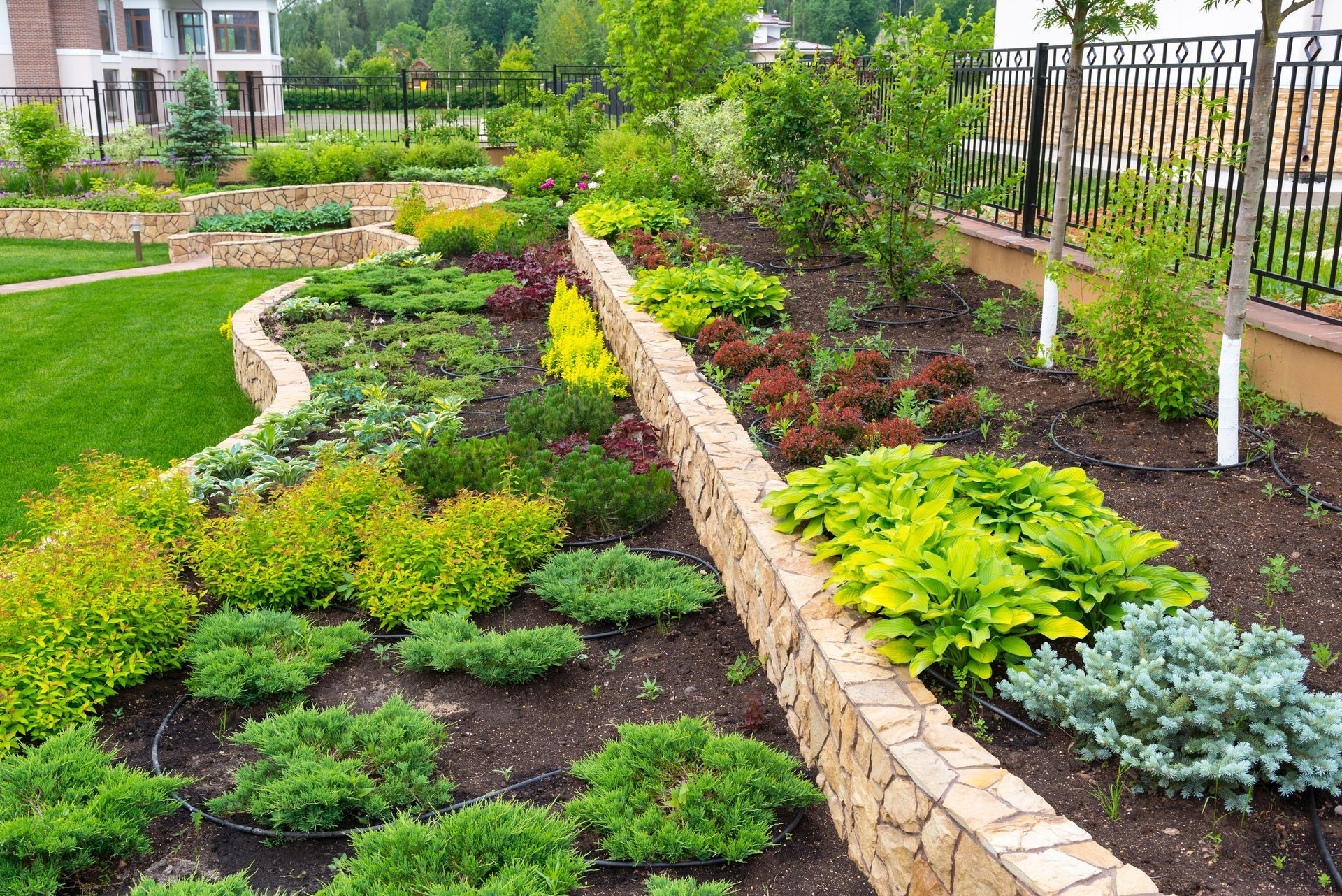
A healthy garden starts with good soil care, and mulch is one of the easiest ways to protect it. A properly applied layer helps retain moisture, reduce weeds, and regulate soil temperature throughout the year. It can also improve the appearance of garden beds while making routine maintenance easier.
However, timing matters. Applying ground cover too early or too late can affect how well it protects plants, especially during seasonal temperature changes. Understanding when to refresh your garden beds and which materials work best can help you maintain healthier plants throughout the year.
Understanding the Benefits of Mulching
Mulching offers several benefits that go beyond making landscaping look attractive. By covering exposed soil, it slows moisture evaporation and helps plants retain access to water during dry weather. This can be particularly useful during summer when high temperatures cause the ground to dry out quickly.
A protective layer also blocks sunlight from reaching many weed seeds, reducing their chances of germinating. Fewer weeds mean less competition for water and nutrients, which allows established plants to grow with fewer interruptions.
Organic materials, including shredded bark, wood chips, and leaves, gradually break down and add organic matter to the soil. Over time, this can improve soil structure and support beneficial microorganisms. These advantages make mulching a practical addition to regular garden maintenance.
Preparing Garden Beds Before Application
Before adding fresh material, take a few minutes to prepare the garden. Remove weeds, fallen branches, and unwanted debris that may interfere with the new layer. Existing organic ground cover that is still in good condition can usually remain in place.
Check the soil for moisture and drainage problems. If the ground is unusually dry, water it before applying the covering. This helps preserve moisture already in the soil rather than trapping dry conditions beneath a fresh layer.
Avoid unnecessary digging around established plants because it can disturb their roots. Lightly loosen compacted surface areas only when needed, and make sure young plants have enough room to grow.
Proper preparation makes the application process easier and helps the protective layer perform as intended.
Applying Mulch During Spring
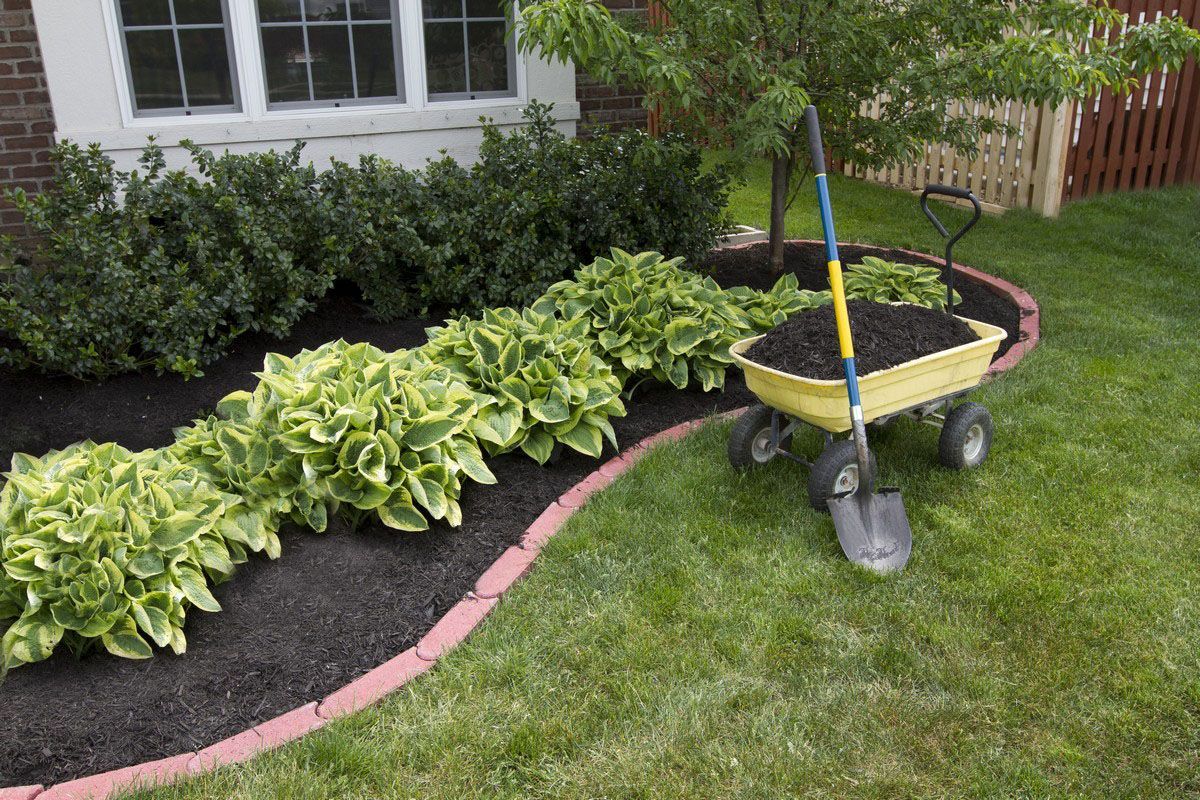
Spring is generally one of the best times to refresh garden beds. As temperatures begin to rise, plants emerge from dormancy and prepare for another growing season. Adding a protective layer helps limit early weed growth while reducing moisture loss as the weather becomes warmer.
In colder climates, wait until the soil has started warming before applying a thick layer around heat-loving plants. Covering the ground too early can slow the warming process and delay growth.
Spring is also a convenient time to inspect existing garden beds. Some areas may only need a small amount of additional material, while others might require more coverage after winter weather.
For most established landscape beds, a layer approximately two to three inches deep provides useful protection. Keep the material away from plant stems and tree trunks to allow airflow and avoid trapping excess moisture.
Maintaining Garden Beds During Summer
Summer brings intense sunlight, higher temperatures, and periods of limited rainfall. These conditions can dry out exposed soil quickly, increasing the amount of water plants need.
A protective covering helps reduce evaporation and keeps the soil cooler during hot weather. It is especially helpful around vegetables, shrubs, and flowering plants that may struggle during extended dry periods.
Before adding more mulch, check how much remains from spring. If the existing layer is still thick enough, there may be no reason to add more. Simply redistribute areas that have shifted or become uneven.
Watering practices are also important. Drip irrigation and soaker hoses can deliver moisture directly to plant roots beneath the covering, reducing water waste.
After heavy summer storms, inspect garden beds for displaced material and areas where water has collected. Making small adjustments throughout the season can prevent drainage problems and keep plants protected.
Protecting Plants During Fall and Winter
Fall is another excellent time to maintain garden beds, particularly in regions that experience freezing temperatures. As plants prepare for dormancy, a protective layer helps moderate soil temperatures and reduce the effects of changing weather conditions.
Shredded leaves, pine needles, and bark are common choices for fall applications. These materials provide insulation while gradually contributing organic matter to the soil.
For plants that need additional winter protection, wait until the ground has cooled before adding extra insulation. Applying it too early may delay the natural cooling process and interfere with seasonal dormancy.
During winter, ground coverings can help reduce the repeated freezing and thawing that sometimes pushes shallow roots out of the soil. This protection is particularly valuable for newly planted perennials and other vulnerable plants.
Avoid piling materials directly against stems or crowns, where trapped moisture can encourage decay. Once spring arrives, gradually remove excess winter protection to give emerging plants room to grow.
Choosing the Right Materials for Your Garden
Not every landscaping material works equally well in every garden. The right choice depends on the plants, soil conditions, local climate, and desired appearance.
Organic mulch options, including shredded bark, wood chips, straw, and leaves, are useful for many garden beds. They help retain moisture and gradually improve soil as they decompose.
Wood chips and bark are commonly used around shrubs and trees because they provide lasting coverage. Straw can work well in vegetable gardens, particularly when it is clean and free of weed seeds.
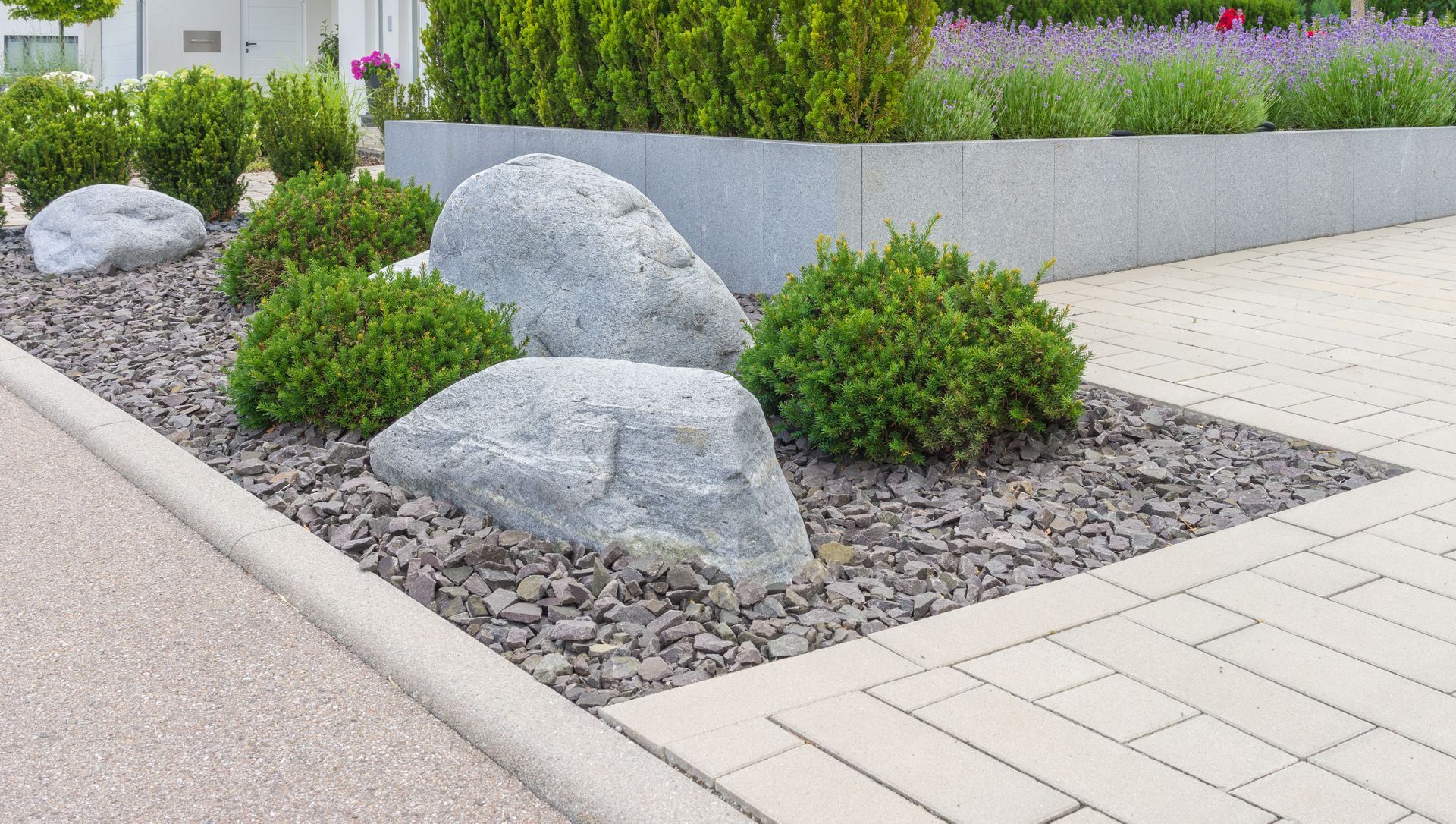
Decorative stone and gravel are longer-lasting alternatives that may suit certain landscape designs. However, they do not contribute organic matter to the soil and may retain additional heat during sunny weather.
Consider how often the garden will need replanting or soil improvements before choosing a permanent-looking material. Selecting the right option helps balance appearance, plant health, and maintenance requirements.
Avoiding Common Mulching Mistakes
One of the most common mistakes is applying too much material. While a protective layer helps retain moisture, excessive depth can interfere with water movement and keep the soil overly damp.
Another frequent problem is piling material against tree trunks or plant stems. This practice traps moisture around sensitive areas and can contribute to bark decay or other plant health concerns.
Instead, spread the covering evenly across the soil while leaving a small gap around plant bases.
Homeowners should also avoid covering established weeds without removing them first. Some weeds can continue growing through the new layer, making maintenance more difficult later.
Finally, inspect garden beds before adding fresh material each season. Repeated applications without checking the existing depth can gradually create an unnecessarily thick layer.
Taking a measured approach helps protect plants without creating additional maintenance problems.
Planning Delivery and Seasonal Maintenance
Larger landscaping projects often require more material than homeowners initially expect. Measuring garden beds before ordering can help prevent unnecessary purchases and ensure adequate coverage.
Calculate the area that needs attention and consider how much existing material remains. Smaller gardens may be manageable with individual bags, while larger properties may benefit from bulk delivery.
According to LawnStarter, average mulch delivery fees range from $70 to $140. Actual expenses depend on the supplier, delivery distance, and order requirements, so requesting an estimate beforehand can help with budgeting.
After installation, check garden beds periodically rather than replacing the entire layer every season. Organic materials naturally break down, and some areas may need replenishment sooner than others.
A simple maintenance routine that includes seasonal inspections, weed removal, and occasional adjustments can keep landscaping attractive without unnecessary work.
Keeping Your Garden Healthy Throughout the Year
The best time to apply
mulch depends on what your garden needs. Spring applications help prepare beds for warmer weather, summer maintenance supports moisture retention, and fall or winter protection can reduce stress caused by freezing temperatures.
Regardless of the season, choosing suitable materials and applying them at the correct depth can make a noticeable difference in plant health and garden maintenance.
Homeowners planning to refresh their landscaping can contact Midwest Decorative Stone & Landscape Supply to explore available materials and delivery options. With thoughtful planning and regular care, garden beds can remain attractive, protected, and easier to maintain throughout the year.















Share On: